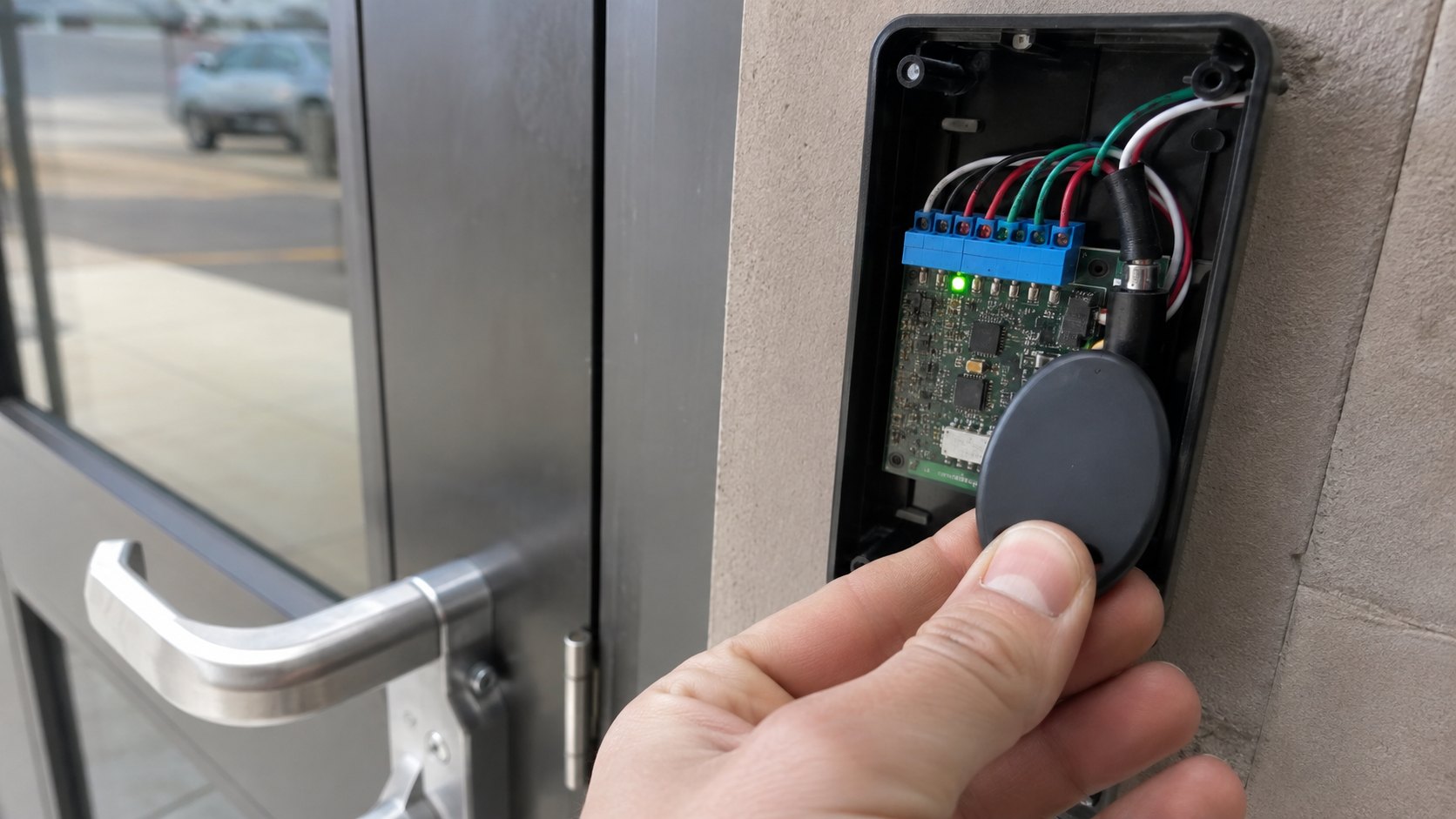
SECURITY SYSTEMS LOCKSMITH
Access Control Systems
Card, fob and mobile credential access with audit trails and remote unlock.
WHAT IT COSTS
Published before we drive, not after
From $355–$1050 per door, installed. Reader type, electric locking, network path, and what the fire code requires of each opening.
That is a starting range. The top of it can move, and the final figure depends on the lock, the door and what the technician finds on site. On the large majority of jobs we land inside the published range, and the number is confirmed with you before any work begins. Prices run a few dollars higher in the outer-ring cities — that is drive time, nothing else, and each city page shows its own figure.
This work falls under a Texas DPS Class B security contractor licence, which we hold. Ask for the licence number when you call — and ask anyone else quoting you the same job.
SECURITY SYSTEMS SERVICES
The rest of what we do
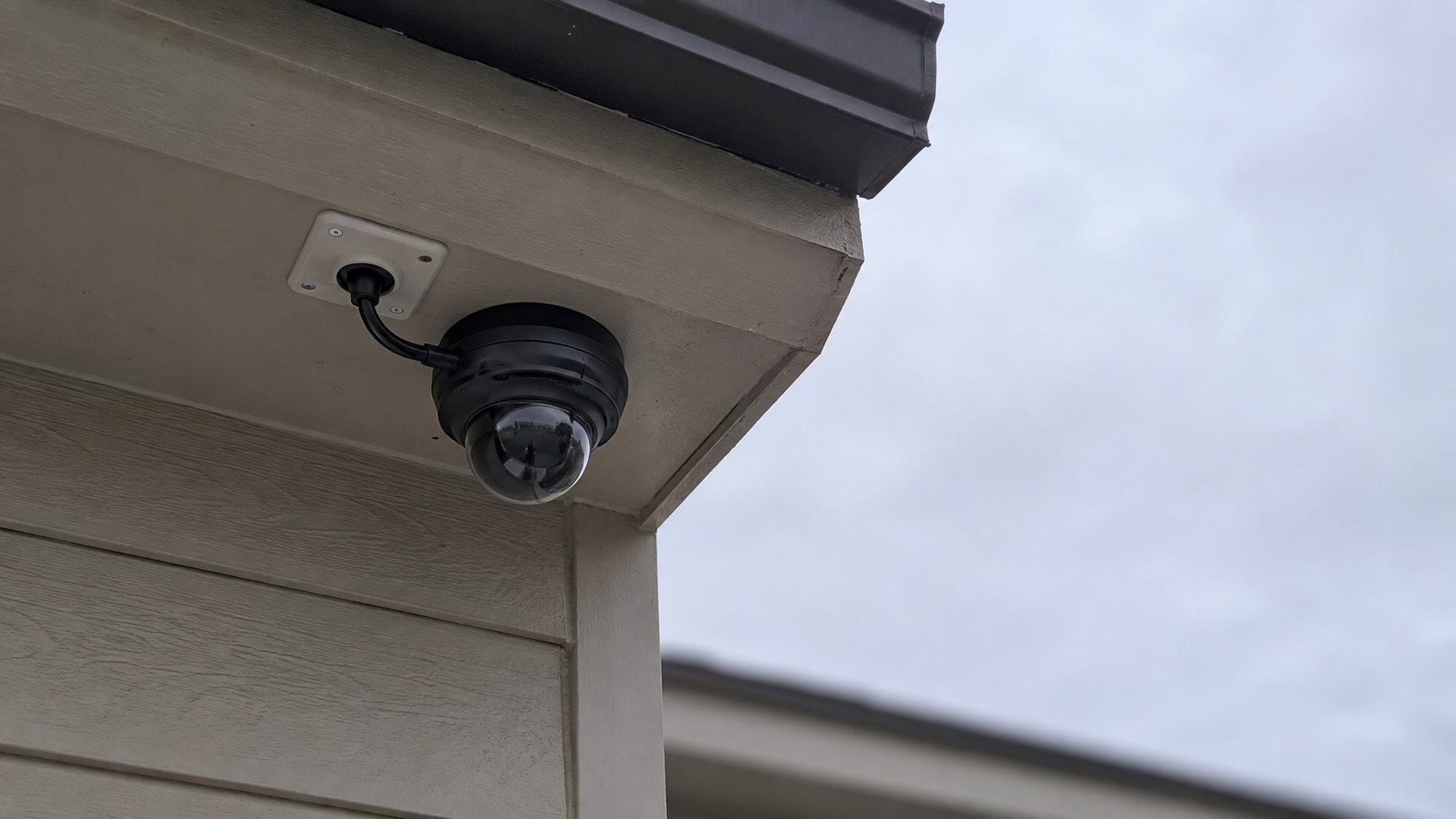
Security Cameras
IP camera systems with local and cloud recording.
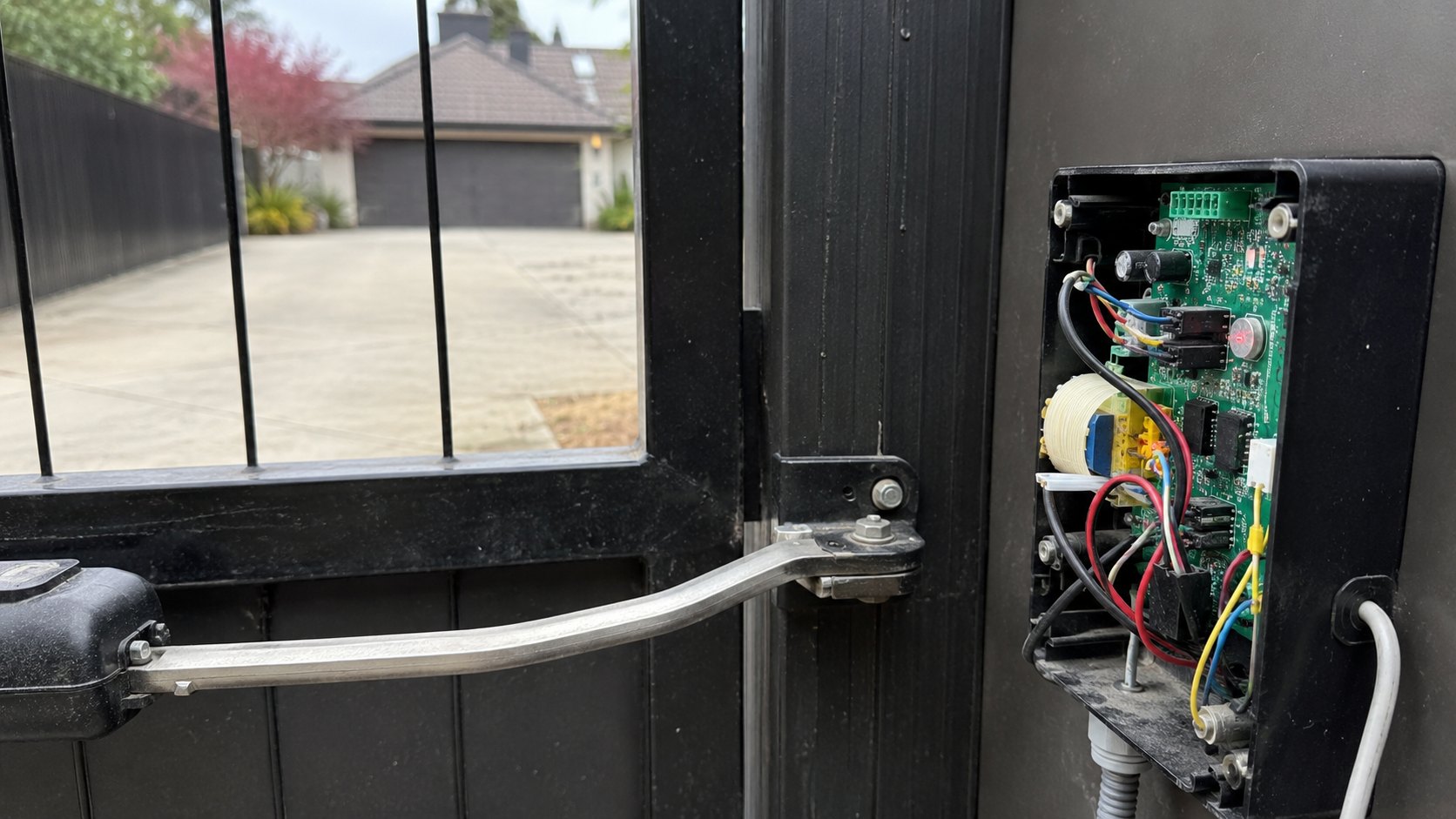
Automated Gates
Gate operators, telephone entry and vehicle access control.
WHAT YOU GET
Included on every visit
- Every controlled door surveyed first — power, network path, door type and, before anything else, which way it has to fail. A door that stays locked when the power drops is either correct or a life-safety defect, and which one it is depends on the door.
- Readers, controller, power supply and the release device supplied and fitted, with the fire-alarm interface wired directly rather than through the controller.
- One credential per person, not per shift. A shared fob makes the log worthless, which is the whole reason for the system.
- You are shown how to add and revoke a person before we leave, because a system only the installer can change is a subscription.
- Mechanical override on a restricted keyway, so a failed controller does not mean nobody gets in.
HOW THE JOB RUNS
What happens when we arrive
- Every controlled opening surveyed — power, network path, door hardware, egress route
- Controllers, readers and electric locking specified per opening
- Installed and commissioned, with fail-safe or fail-secure chosen deliberately per door and checked against the fire code
- Credentials issued, schedules built, and your team trained to add and revoke people
Typically One day to several, depending on door count.
What to have ready
Your access policy, and the fire code requirements for each opening.
When this is the wrong call
If you have three doors and five staff, a keypad or a master key system does this for a fraction of the cost.
QUESTIONS
What people ask before booking
What happens in a power cut?
It depends on the device, and that is a decision made per door before anything is fitted. External doors are normally fail-secure — locked from outside, and the inside handle still opens them mechanically. Anything on an escape route is fail-safe and unlocks.
Can we add and remove people ourselves?
Yes, and you should insist on it from any installer. If every change needs a call-out you have bought a service contract rather than a system.
Does it need the internet?
The doors work without it. Remote management and off-site logs do not. Ask what happens to the door when the network is down — the answer should be 'nothing'.
How many doors is it worth doing?
Usually two or three: the ones where revoking access matters and where you want a record. Restricted mechanical keys are cheaper and adequate everywhere else.
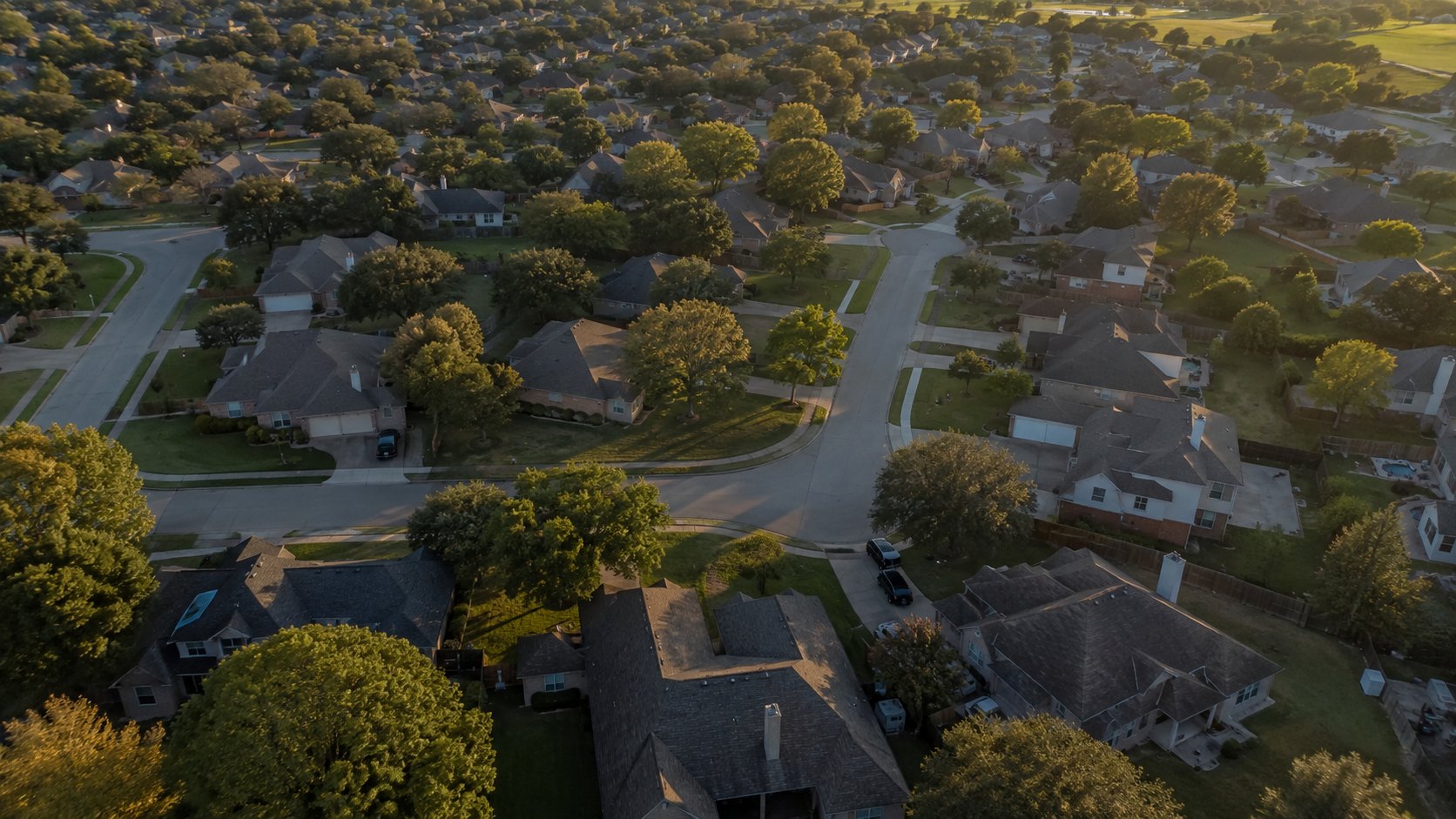
Access Control across Dallas–Fort Worth
Closest coverage: Arlington, Bedford, Cedar Hill, Coppell, Dallas, Desoto, Duncanville, Fort Worth, Garland, Highland Park, Irving, Richardson, University Park, Watauga. The full service area lists all 60 cities with the arrival window each one gets. Related security systems work: Security Cameras, Automated Gates.